


Insomnia - A problem in the UK
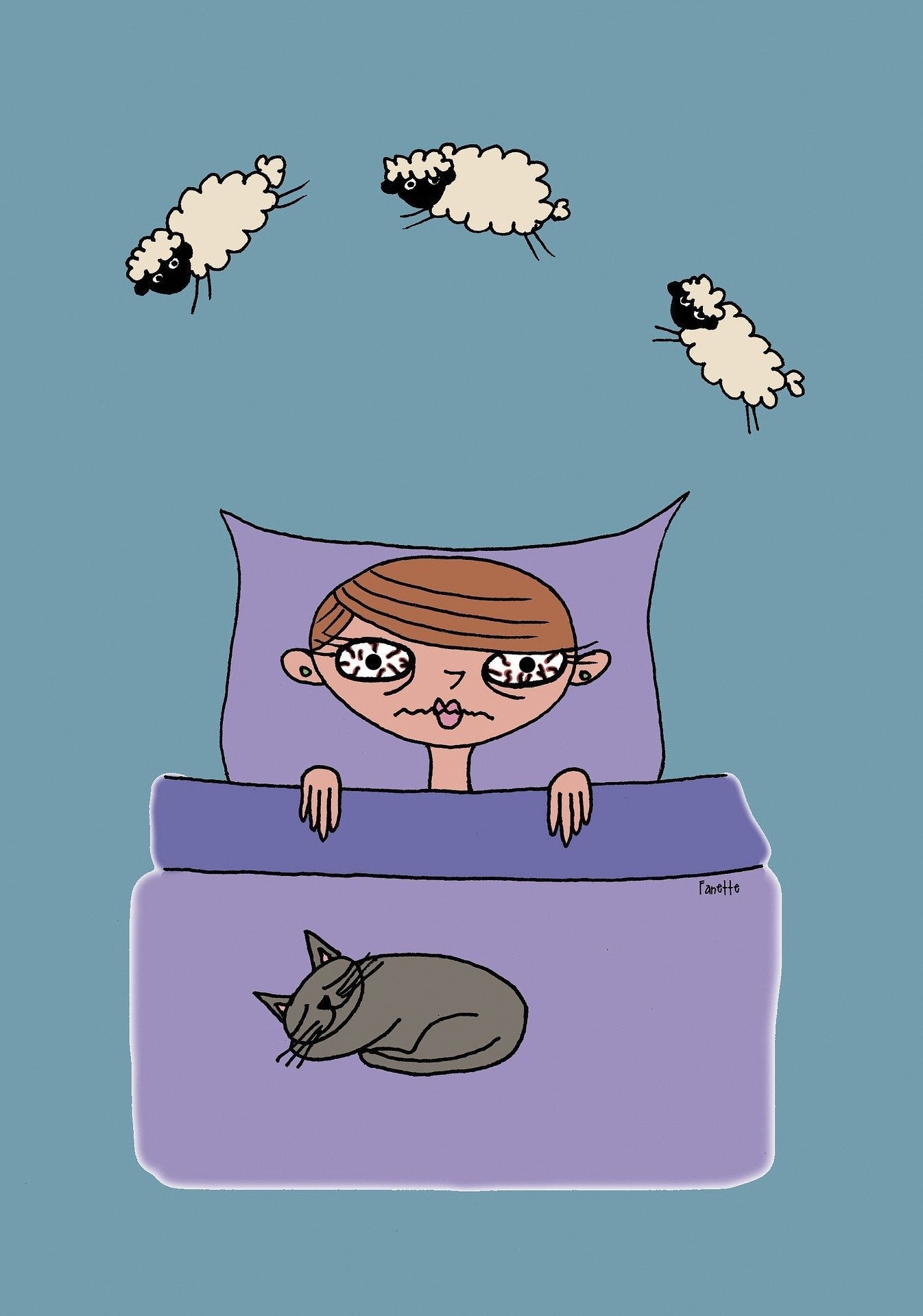
Sleepless in the UK: Why So Many Adults Are Struggling to Sleep — and What May Help
Sleep should be one of the most natural things we do. Yet across the UK, a growing number of adults are finding that a good night’s rest is becoming increasingly difficult to achieve. From busy lifestyles and screen-filled evenings to stress and irregular routines, modern life is quietly reshaping the way we sleep.
Recent findings from the Panda Report 2025 highlight just how widespread the issue has become. According to the report, only 58% of the UK population are getting the recommended seven hours of sleep per night. That means more than four in ten people are regularly missing out on the amount of rest generally considered necessary for good health.
Why Are Adults Struggling to Sleep?
Insomnia and sleep disturbances can take several forms. Some people struggle to fall asleep, others wake during the night, and many experience early waking and find it impossible to drift back off.
Several lifestyle factors are thought to be contributing to this growing sleep problem:
1. Stress and mental overload
Work pressures, financial worries, and the constant flow of information can keep the mind active long after the lights go out. When the nervous system remains in “alert mode,” falling asleep naturally becomes much harder.
2. Screen exposure before bed
Phones, tablets, and televisions emit blue light that can disrupt the body’s natural sleep hormone, melatonin. Many adults are using devices right up until bedtime, which can delay the body’s internal clock.
3. Irregular routines
Late nights during the week, weekend lie-ins, and shift work can confuse the body’s natural circadian rhythm — the internal system that regulates sleep and wake cycles.
4. Lifestyle habits
Late caffeine consumption, heavy evening meals, and alcohol can all affect sleep quality and contribute to night-time waking.
Turning to Natural Sleep Support
With sleep difficulties becoming more common, many people are exploring natural approaches that support the body’s own sleep processes rather than forcing sedation.
Herbal remedies have a long tradition of use for relaxation and sleep support, and several herbs are particularly well known for their calming properties.
Valerian Root
Often referred to as one of the most widely used herbal sleep aids, valerian root has traditionally been used to help promote relaxation and reduce the time it takes to fall asleep.
Chamomile
A familiar bedtime favourite, chamomile is valued for its gentle calming effect. It’s often used to help ease nervous tension and encourage relaxation before sleep.
Lemon Balm Leaf
Part of the mint family, lemon balm has historically been used to support relaxation and reduce restlessness, making it a popular herb for evening use.
Why Tinctures Before Bed Can Help
While herbal teas are popular, tinctures — concentrated liquid extracts of herbs — are another effective way to take herbal remedies.
Because tinctures are absorbed quickly, many people choose to take them shortly before bedtime to support relaxation as they wind down for the night. They can also provide a more concentrated dose of herbs compared with teas.
Certain herbal combinations are particularly valued for sleep support. For example, a passion flower and valerian root tincture brings together two herbs traditionally used for calming the nervous system. Passion flower is often associated with helping quiet a busy mind, while valerian root supports physical relaxation.
Some blends combine several complementary herbs for a more rounded approach. For instance, Herbal Monkey’s Ultimate Sleep Tincture contains a blend of valerian root, chamomile, lavender and passion flower, bringing together herbs traditionally used to promote relaxation and support a restful bedtime routine.
Creating a Better Bedtime Routine
Herbal support can be helpful, but sleep experts often emphasise the importance of building a consistent nighttime routine. Small changes can make a big difference:
Reducing screen use in the hour before bed
Keeping a consistent sleep schedule
Creating a calm, dimly lit evening environment
Practising relaxation techniques such as reading or breathing exercises
A National Wake-Up Call
With the Panda Report 2025 highlighting that only 58% of people in the UK are achieving seven hours of sleep, it’s clear that sleep health is becoming an important national conversation.
While there’s rarely a single solution to insomnia, combining good sleep habits with natural approaches — including herbal remedies and calming bedtime rituals — may help many people rediscover the restorative power of a good night’s sleep.
After all, sleep isn’t a luxury. It’s one of the most important foundations of health and wellbeing.