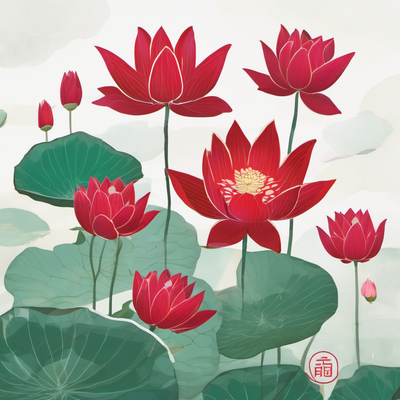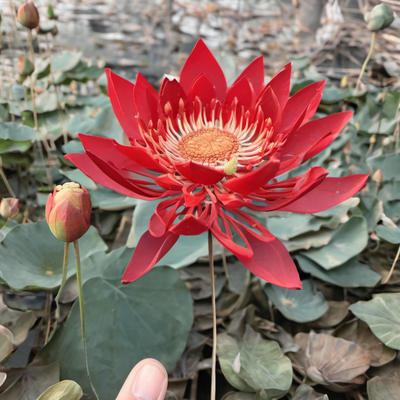
Discover the deep spiritual significance behind the vibrant red lotus flower in various cultures and traditions.
The red lotus flower, known for its vibrant and striking appearance, has a rich history and origin. It is believed to have originated in Southeast Asia, specifically in the countries of India, China, and Thailand. The flower grows in muddy and murky waters, yet it blossoms beautifully, symbolizing purity and enlightenment.
In ancient times, the red lotus flower was highly regarded and revered for its beauty and spiritual significance. It was often associated with various deities and spiritual figures in different cultures. The origins of the red lotus flower can be traced back thousands of years, and its symbolism has evolved over time.
The red lotus flower holds great symbolism in different cultures around the world. In Chinese culture, it is considered a symbol of love, passion, and good fortune. It is often associated with the goddess of mercy, Guanyin, and is believed to bring blessings and harmonious relationships.
In Hinduism, the red lotus flower represents the goddess of wealth and prosperity, Lakshmi. It is a sacred symbol of purity, fertility, and beauty. The flower is often depicted in Hindu mythology and is associated with various gods and goddesses.
In Tibetan Buddhism, the red lotus flower symbolizes the highest state of enlightenment. It represents the heart and is associated with compassion, love, and spiritual growth. The petals of the red lotus are believed to symbolize the noble qualities of the Buddha and his teachings.
In Buddhism, the red lotus flower holds deep spiritual significance. It is often used as a symbol of purity, spiritual awakening, and enlightenment. The red lotus is associated with the highest state of consciousness and represents the attainment of nirvana.
The red lotus is also linked to the concept of the lotus sutra, a sacred scripture in Mahayana Buddhism. The lotus sutra teaches the importance of compassion, wisdom, and the interconnectedness of all beings. The red lotus flower serves as a reminder of these teachings and encourages practitioners to cultivate these qualities in their spiritual journey.
In Hinduism, the red lotus flower holds great significance and is associated with various gods and goddesses. It is often depicted in Hindu art and is considered a sacred symbol of purity, beauty, and spirituality.
The red lotus is particularly revered as the flower of the goddess Lakshmi, who is the goddess of wealth and prosperity. It is believed that offering red lotus flowers to Lakshmi can bring blessings of abundance and good fortune. The flower is also associated with other deities such as Saraswati, the goddess of knowledge, and Brahma, the creator god.
The red lotus flower is not only revered for its spiritual significance but also for its meditative practices and healing properties. In meditation, the red lotus is often visualized as a symbol of inner peace, tranquillity, and harmony.
The vibrant red colour of the lotus is believed to stimulate the root chakra, which is associated with grounding, stability, and vitality. Meditating on the red lotus can help in balancing this energy centre and promoting a sense of security and stability.
In traditional medicine, the red lotus flower is used for its various healing properties. It is believed to have antioxidant, anti-inflammatory, and detoxifying effects. The flower is often used in herbal remedies to promote overall well-being and vitality.
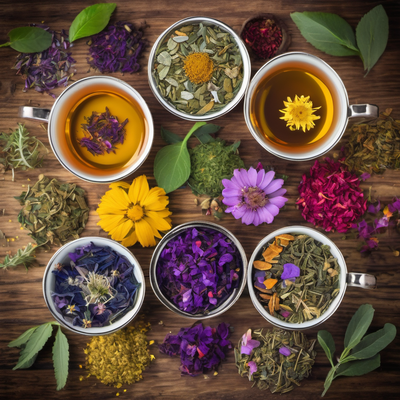
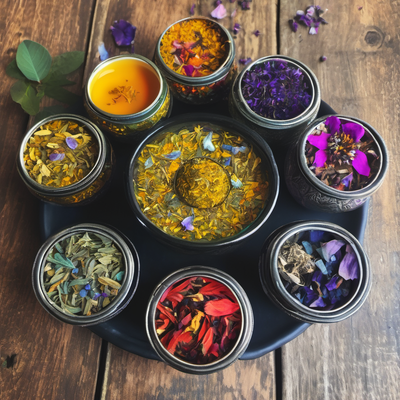
Explore the powerful healing properties of herbal tea for balancing your chakras and enhancing your overall well-being.
Chakras are energy centres located throughout the body that are believed to be connected to various aspects of our physical, mental, and spiritual well-being.
Herbal tea has been used for centuries as a natural remedy to help balance and align these energy centres.
The different herbs and botanicals used in herbal tea are thought to have specific properties that can stimulate, open, or calm different chakras, depending on their unique characteristics.
By understanding the connection between chakras and herbal tea, we can harness the power of these natural remedies to promote overall wellness and harmony.
Each chakra is associated with different qualities and attributes, and specific herbal teas can be used to target and support these energy centres.
For example, chamomile tea is often used to balance the crown chakra, which is associated with spiritual connection and higher consciousness.
Peppermint tea is believed to stimulate the throat chakra, which is related to communication and self-expression.
Lavender tea is commonly used to promote balance in the third eye chakra, which is associated with intuition and inner wisdom.
Exploring the healing properties of specific herbal teas can help us understand how to use them effectively for chakra balancing and healing.
Incorporating herbal tea into your chakra balancing practices is a simple and enjoyable way to promote harmony and well-being.
One method is to choose a specific herbal tea that corresponds to the chakra you wish to balance.
For example, if you want to balance your solar plexus chakra, you can prepare a cup of ginger tea, which is believed to support this energy centre.
Another approach is to create blends of herbal teas that target multiple chakras at once.
For example, a blend of hibiscus, rose, and passionflower tea can be used to promote balance and harmony in the heart and sacral chakras.
Experimenting with different tea combinations and incorporating them into your daily routine can help you find what works best for you.
Chakra healing with herbal tea offers a range of benefits for our physical, emotional, and spiritual well-being.
First and foremost, herbal tea is a natural and gentle way to support the body's energy centres without any harsh side effects.
It can help to release energetic blockages, promote relaxation and stress relief, and enhance overall vitality.
In addition, the act of preparing and drinking herbal tea can be a mindful and meditative practice, allowing us to connect with the healing properties of the herbs and focus our intentions on chakra healing.
By incorporating chakra healing with herbal tea into our wellness routine, we can experience a greater sense of balance, harmony, and overall well-being.
When choosing herbal tea for your chakra needs, it's important to consider the specific properties and associations of each herb.
Research the qualities and attributes of different herbs and their connection to the chakras to determine which ones align with your needs.
You can also consult with an herbalist or holistic practitioner who specializes in chakra healing for personalized recommendations.
Additionally, pay attention to your body and intuition when selecting herbal teas.
Trust your instincts and choose teas that resonate with you and feel right for your unique energy system.
By choosing the right herbal tea for your chakra needs, you can enhance the effectiveness of your chakra healing practices.
Discover the amazing benefits of passion flower herbal tea and how it can enhance your overall wellness.
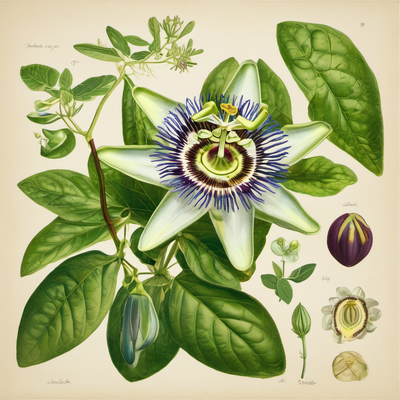
Passion flower tea is made from the dried leaves, stems, and flowers of the passion flower plant, scientifically known as Passiflora incarnata. This plant is native to North America and has a rich history of use in traditional medicine. The indigenous people of the Americas have been using passion flower for centuries to promote relaxation and relieve various ailments.
The use of passion flower as a tea can be traced back to the Aztecs and other Native American tribes. They would brew the leaves and flowers of the passion flower plant to create a soothing and aromatic tea. Over time, the popularity of passion flower tea spread to other cultures, including European countries.
Today, passion flower tea is enjoyed by many people around the world for its numerous health benefits and calming effects.
Passion flower tea offers a wide range of health benefits. It is rich in antioxidants, which help protect the body against free radicals and oxidative stress. These antioxidants can support a healthy immune system and reduce the risk of chronic diseases.
Additionally, passion flower tea has been found to have anti-inflammatory properties, which can help reduce inflammation in the body and alleviate symptoms of certain conditions such as arthritis and asthma.
Furthermore, passion flower tea is known for its calming and relaxing effects. It can help reduce anxiety, promote a sense of calmness, and improve overall mood. This makes it a popular choice for individuals who struggle with stress and anxiety.
Moreover, passion flower tea has been found to have sedative properties, which can aid in improving sleep quality. It can help individuals fall asleep faster, stay asleep longer, and wake up feeling refreshed and rejuvenated.
Lastly, passion flower tea may also have potential benefits for cardiovascular health. It has been shown to help lower blood pressure and improve circulation, which can reduce the risk of heart disease and stroke.
One of the key benefits of passion flower tea is its ability to promote relaxation and relieve stress. The natural compounds found in passion flower, such as flavonoids and alkaloids, have been found to have calming effects on the nervous system.
Drinking passion flower tea can help reduce anxiety, tension, and restlessness. It can induce a sense of calmness and tranquillity, making it an excellent choice for individuals who are looking for natural ways to manage stress.
Moreover, passion flower tea can also help improve focus and concentration. By promoting relaxation, it allows the mind to become clearer and more focused, which can enhance productivity and overall mental well-being.
Many people struggle with sleep issues, such as insomnia or poor sleep quality. Passion flower tea can be a natural remedy to improve sleep.
The sedative properties of passion flower tea can help calm the mind and body, making it easier to fall asleep and stay asleep throughout the night. It can also help reduce the frequency of waking up during the night.
By promoting relaxation and reducing anxiety, passion flower tea can create a conducive environment for a restful night's sleep. It can help individuals achieve a deeper and more restorative sleep, leading to increased energy levels and improved overall well-being.
A strong immune system is essential for overall health and well-being. Passion flower tea can help boost the immune system and protect the body against illness and infections.
The antioxidants present in passion flower tea can help neutralize harmful free radicals and strengthen the immune system. This can enhance the body's natural defence mechanisms and improve its ability to fight off diseases.
Furthermore, passion flower tea has anti-inflammatory properties, which can help reduce inflammation in the body and support a healthy immune response.
By incorporating passion flower tea into your daily routine, you can give your immune system a natural boost and enhance your body's ability to stay healthy and resilient.
Discover the amazing health benefits of passion flower and how it can improve your overall well-being.
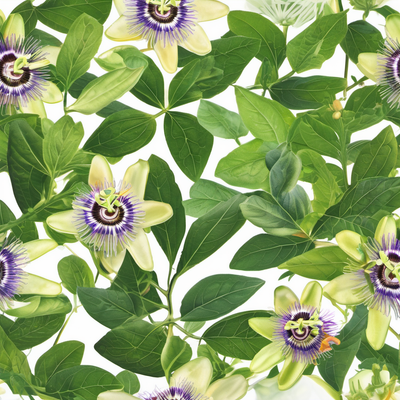
Passion flower, also known as Passiflora incarnata, is a beautiful flowering plant that is native to North America. It has a long history of traditional use by Native Americans for its calming and sedative properties.
The plant gets its name from the unique structure of its flowers, which were said to resemble the passion of Christ. The plant's leaves, stems, and flowers are used to make herbal remedies that are believed to have various health benefits.
Passion flower is low in calories and fat, making it a healthy addition to any diet. It is also a good source of vitamins and minerals, including vitamin C, vitamin A, iron, and magnesium.
Additionally, passion flower contains a variety of bioactive compounds, such as flavonoids and alkaloids, which contribute to its potential health benefits.
Passion flower has long been used as a natural remedy for anxiety and insomnia. It is believed to promote relaxation and reduce feelings of stress and tension.
Research suggests that passion flower may work by increasing levels of a neurotransmitter called gamma-aminobutyric acid (GABA), which helps to calm the brain and reduce anxiety.
Many people find that incorporating passion flower into their daily routine can help them achieve a sense of calm and tranquillity.
In addition to its relaxing properties, passion flower may offer a range of other health benefits. Some studies suggest that passion flower may help to reduce inflammation, improve sleep quality, and support a healthy immune system.
Passion flower has also been used traditionally to alleviate symptoms of menopause, such as hot flashes and mood swings. It may also have potential as a natural treatment for certain digestive disorders, such as irritable bowel syndrome (IBS) and indigestion.
However, more research is needed to fully understand the potential health benefits of passion flower and its effectiveness for specific conditions.
There are several ways to incorporate passion flower into your wellness routine. One popular method is by brewing passion flower tea. Simply steep a teaspoon of dried passion flower leaves in hot water for about 10 minutes, then strain and enjoy.
Passion flower supplements, such as capsules or tinctures, are also available and can be taken as directed. It's important to consult with a healthcare professional before starting any new herbal supplement.
If you prefer a more hands-on approach, you can even try growing your own passion flower plant. It can be a beautiful addition to your garden and provide a fresh supply of leaves and flowers for herbal preparations.
Remember, it's always best to consult with a healthcare professional or herbalist before using passion flower or any other herbal remedy to ensure it is safe and appropriate for your individual needs.
Unveil the symbolic significance and cultural interpretations of red lotus flowers in various contexts.
Red lotus flowers hold great symbolism in Buddhism. They are often associated with the concept of enlightenment and spiritual purity. Just like the lotus flower, which rises from the muddy waters to bloom in all its glory, the red lotus represents the journey towards awakening and the transformation of one's soul. In Buddhist iconography, the red lotus is often depicted as the seat of various deities and is believed to radiate positive energy and blessings. It is also seen as a symbol of compassion and love, as it is believed to be the flower that Avalokiteshvara, the bodhisattva of compassion, holds in his hand.
Another important aspect of the symbolism of red lotus flowers in Buddhism is their connection to the heart. The red color is associated with emotions and passion, and the lotus flower represents the opening of the heart chakra. It is believed that meditating on the red lotus can help one cultivate love, kindness, and empathy towards all beings.
Red lotus flowers also hold significance in Hinduism and ancient Egyptian culture. In Hinduism, the red lotus is associated with the goddess Lakshmi, who is the goddess of wealth, fortune, and prosperity. The red lotus is often depicted as the seat of Lakshmi, symbolizing her blessings and abundance. It is also believed to represent the divine feminine energy and the power of creation.
In ancient Egyptian culture, the red lotus was known as the blue lotus and was associated with the sun god, Ra. It was believed to represent rebirth, renewal, and the eternal cycle of life. The red lotus was often depicted in Egyptian art and was considered a sacred flower.
The red lotus flower holds deep psychological meaning as well. Its vibrant red color is often associated with passion, love, and desire. The sight of a red lotus can evoke feelings of excitement, joy, and sensuality. It is believed that being in the presence of red lotus flowers can uplift one's mood and ignite feelings of passion and creativity.
Moreover, the red lotus is also associated with emotional healing and transformation. It represents the ability to overcome obstacles and adversity, just like the lotus flower rising above the muddy waters. The red lotus teaches us to embrace our emotions, acknowledge our pain, and find inner strength and resilience.
Red lotus flowers have played a significant role in art and literature throughout history. They have been depicted in paintings, sculptures, and poetry, symbolizing various themes such as beauty, purity, and spirituality. In many artworks, the red lotus is portrayed as a focal point, capturing the viewer's attention and conveying a sense of awe and wonder.
In literature, red lotus flowers often serve as metaphors for personal growth, enlightenment, and the journey of the soul. They are used to convey deep emotions and explore the complexities of human existence. The beauty and symbolism of red lotus flowers continue to inspire artists and writers, serving as a powerful source of inspiration and reflection.
If you are drawn to the symbolism and beauty of red lotus flowers, there are several ways to incorporate them into your daily life. One simple way is to bring fresh red lotus flowers into your home or workspace. Their vibrant color and graceful form can instantly uplift the energy of any space and create a sense of tranquility and serenity.
You can also incorporate red lotus flowers into your meditation or mindfulness practice. Find a quiet place, close your eyes, and visualize a red lotus blooming within your heart. Imagine its petals unfolding and radiating love and compassion. Allow yourself to connect with the symbolism of the red lotus and let it inspire you to cultivate these qualities in your interactions with others.
Additionally, you can explore the world of red lotus flower symbolism through art, literature, and music. Read books or poems that feature red lotus flowers, listen to music inspired by their beauty, or even create your own artwork depicting red lotus flowers. Engaging with these creative expressions can deepen your understanding and appreciation of the red lotus and its profound meanings.
Delve into the deep symbolic meanings associated with red lotus flowers in various cultures and religions.
Red lotus flowers have a rich and fascinating history that dates back centuries. The exact origin of these beautiful flowers is uncertain, but they are believed to have originated in Southeast Asia, particularly in countries like India, Thailand, and Sri Lanka. These regions are known for their lush and vibrant landscapes, making them the perfect environment for lotus flowers to thrive.
In ancient times, red lotus flowers were often associated with creation myths and legends. They were believed to have emerged from the primordial waters, representing the birth of life and the beginning of the world. This symbolism is still prevalent in many cultures today.
In Hinduism and Buddhism, red lotus flowers hold great spiritual significance. They are often associated with deities and are considered sacred symbols of enlightenment and purity.
In Hinduism, the red lotus is closely associated with the goddess Lakshmi, the goddess of wealth, fortune, and prosperity. It is believed that the red lotus represents her divine beauty and grace. The lotus flower is also a symbol of spiritual growth and enlightenment in Hinduism.
Similarly, in Buddhism, the red lotus is highly revered and is often depicted in art and religious ceremonies. It is believed to symbolize the heart of the Buddha and is associated with love, compassion, and purity of mind. The red lotus is also believed to represent the highest level of spiritual attainment, known as enlightenment or nirvana.
In ancient Egypt, red lotus flowers held a special place in religious and cultural practices. They were often associated with the sun god Ra and were considered symbols of rebirth and regeneration.
The red lotus was believed to bloom every morning at sunrise and close at sunset, symbolizing the cyclical nature of life and the eternal renewal of the sun. It was also associated with the concept of resurrection and immortality, as the lotus flower would emerge from the muddy waters of the Nile River and bloom into a beautiful flower.
The red lotus was highly valued and often depicted in ancient Egyptian art and architecture, including temples and tombs. It was seen as a powerful symbol of divine beauty and spiritual transformation.
In Chinese culture, red lotus flowers are considered symbols of love, passion, and purity. They are often associated with summer and are believed to bring good luck and fortune.
The red lotus is also closely associated with the Buddhist concept of enlightenment and is often depicted in Chinese Buddhist art. It is believed to represent the pure and awakened heart, free from attachments and desires.
In traditional Chinese medicine, the red lotus is also valued for its healing properties. It is believed to have various medicinal benefits, such as promoting digestion, improving blood circulation, and reducing inflammation.
Overall, red lotus flowers hold a special place in Chinese culture and are deeply ingrained in the country's traditions and beliefs.
In modern times, the symbolism of red lotus flowers has expanded beyond traditional religious and cultural contexts. They have become popular motifs in art, fashion, and home decor, representing various concepts and emotions.
For some, the red lotus represents strength, resilience, and determination. It is seen as a symbol of overcoming challenges and adversity.
Others interpret the red lotus as a symbol of passion, love, and romance. It is associated with fiery emotions and intense desires.
Additionally, the red lotus can also symbolize transformation and personal growth. It represents the journey of self-discovery and the pursuit of enlightenment.
Overall, the symbolism of red lotus flowers continues to evolve and inspire people in different ways, reflecting the diverse interpretations and meanings attached to these beautiful flowers.