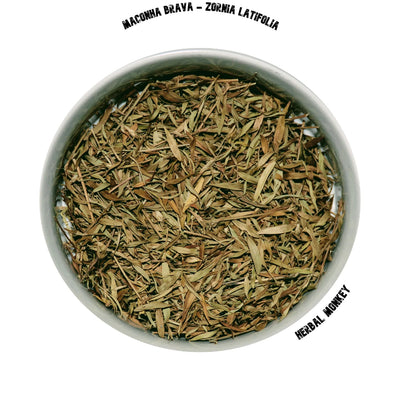
Explore the unique properties and uses of Maconha Brava leaves in this informative blog post.
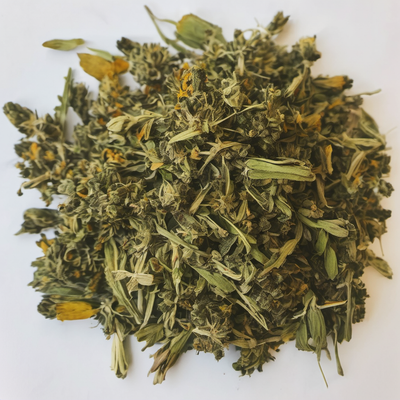
Maconha Brava is a plant native to South America, particularly Brazil.
It is known for its psychoactive properties and has been used for centuries by indigenous tribes for spiritual and medicinal purposes.
The plant belongs to the Solanaceae family and is closely related to other well-known plants such as tobacco and tomatoes.
In this section, we will delve deeper into the history and background of Maconha Brava.
Maconha Brava leaves have long been recognized for their medicinal properties.
One of the key compounds found in these leaves is called zornia, which has been shown to have anxiolytic and sedative effects.
This makes Maconha Brava leaves a popular choice for those seeking natural remedies for anxiety and sleep disorders.
Additionally, the leaves contain alkaloids that have been found to have anti-inflammatory properties.
In this section, we will explore the various medicinal benefits of Maconha Brava leaves.
Maconha Brava leaves have a rich history of traditional use in South American cultures.
Indigenous tribes have used these leaves for spiritual rituals, divination, and connecting with the spiritual world.
In modern times, Maconha Brava leaves are still used for these purposes, but they have also gained popularity for recreational use and as a natural alternative to pharmaceutical drugs.
Furthermore, the leaves can be brewed into a tea or smoked for their psychoactive effects.
In this section, we will discuss both the traditional and modern uses of Maconha Brava leaves.
If you're interested in trying Maconha Brava leaves, it's important to know how to prepare and use them properly.
To make a tea, you can steep the dried leaves in hot water for several minutes before straining and consuming.
For smoking, the leaves can be dried and crushed into a fine powder, which can then be rolled into a joint or used in a pipe.
It's crucial to note that Maconha Brava leaves should be used responsibly and in moderation.
In this section, we will provide detailed instructions on how to prepare and use Maconha Brava leaves.
While Maconha Brava leaves have many potential benefits, it's essential to be aware of the potential side effects and take necessary precautions.
Excessive use of Maconha Brava leaves can lead to dizziness, nausea, and even hallucinations.
Individuals with certain medical conditions or who are taking specific medications should avoid using Maconha Brava leaves.
It's always recommended to consult with a healthcare professional before using any herbal remedies.
In this section, we will discuss the potential side effects and precautions associated with Maconha Brava leaves.
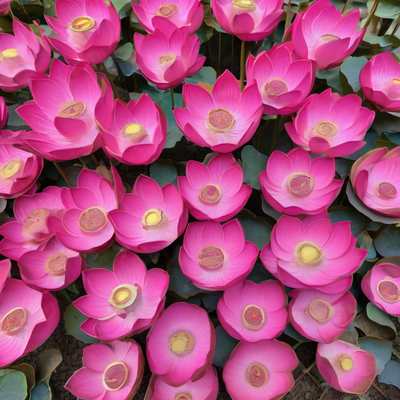
Discover the beauty and symbolism of the pink lotus flower in this captivating blog post.
The lotus flower is a powerful symbol in many cultures and religions. It is often associated with purity, enlightenment, and rebirth. The lotus grows in muddy waters, yet it blooms beautifully and untainted by its surroundings. This represents the ability to rise above adversity and find inner peace and enlightenment.
In Buddhism, the lotus is considered a sacred flower and is often depicted in artwork and sculptures. It symbolizes the journey of the soul from darkness to light, and the path to enlightenment. The lotus also represents the purity of body, speech, and mind.
In Hinduism, the lotus is associated with several deities, including Vishnu, Lakshmi, and Saraswati. It is considered a symbol of divine beauty, purity, and grace. The lotus is often depicted as a seat for gods and goddesses, emphasizing its importance and significance in Hindu culture.
The lotus flower is also a common symbol in Egyptian mythology. It is associated with the sun, creation, and rebirth. The lotus was believed to emerge from the primordial waters of chaos and give birth to the sun god, Ra. It represents the cycle of life, death, and rebirth.
Overall, the lotus flower carries deep symbolism and meaning in various cultures. Its beauty and resilience serve as a reminder to embrace life's challenges and find inner peace and enlightenment.
The pink lotus is a special variation of the lotus flower that holds its own meaning and significance. It is often associated with love, compassion, and beauty. The pink color represents femininity, grace, and tenderness.
In Buddhism, the pink lotus is believed to symbolize the highest level of spiritual attainment. It represents the enlightened mind and the purity of the heart. The pink lotus is often depicted in artwork and statues of enlightened beings, such as the Buddha or Bodhisattvas.
In Hinduism, the pink lotus is associated with the goddess Lakshmi, who is the goddess of wealth, prosperity, and beauty. It is believed that the pink lotus blooms wherever Lakshmi resides, symbolizing her blessings and abundance.
The pink lotus is also seen as a symbol of love and compassion in many cultures. It represents the unconditional love and kindness that one should strive to cultivate in their own lives.
Overall, the pink lotus holds a special place in the hearts of many, representing love, compassion, and spiritual enlightenment.
The cultural significance of the pink lotus varies across different regions and countries. In China, the pink lotus is associated with purity, harmony, and good fortune. It is often depicted in Chinese art and is considered a symbol of elegance and beauty.
In Japan, the pink lotus is known as the 'Sacred Lotus' and is associated with Buddhist teachings and enlightenment. It is often depicted in Japanese art and is considered a symbol of purity and spiritual awakening.
In India, the pink lotus is highly revered and is often associated with various Hindu deities, such as Lakshmi, Saraswati, and Ganesha. It is considered a symbol of divine beauty, grace, and prosperity.
In Egypt, the pink lotus is associated with the sun god, Ra, and is considered a symbol of creation and rebirth. It represents the cycle of life and the eternal nature of the soul.
Overall, the pink lotus holds cultural significance in various regions, representing purity, beauty, and spiritual enlightenment.
The pink lotus flower has been a popular subject in art and literature throughout history. It has been depicted in paintings, sculptures, poems, and stories, symbolizing various themes and ideas.
In Chinese art, the pink lotus is often portrayed in traditional ink paintings and is considered a symbol of purity, elegance, and feminine beauty. It is also a common motif in Chinese poetry, representing love, grace, and spiritual enlightenment.
In Indian art and literature, the pink lotus is often depicted as a divine flower, associated with gods and goddesses. It is a popular subject in Hindu mythology and is considered a symbol of beauty, grace, and purity.
In Buddhist art, the pink lotus is often depicted in paintings and sculptures of enlightened beings, such as the Buddha or Bodhisattvas. It represents the highest level of spiritual attainment and the purity of the heart.
Overall, the pink lotus flower has inspired and captivated artists and writers across different cultures, symbolizing beauty, spirituality, and the pursuit of enlightenment.
If you're interested in growing pink lotus flowers, here are some tips to help you get started:
1. Choose a suitable location: Pink lotus flowers thrive in full sun and prefer to be planted in shallow water, such as a pond or container. Make sure the location receives at least 6 hours of direct sunlight each day.
2. Prepare the soil: Pink lotus flowers prefer muddy or loamy soil. You can create a suitable planting bed by mixing clay, sand, and compost.
3. Plant the tubers: Pink lotus flowers are grown from tubers, which should be planted in the soil with the growing tips facing up. Make sure to cover the tubers with a layer of soil to protect them from birds or pests.
4. Provide adequate water: Pink lotus flowers need plenty of water to thrive. Keep the soil moist, but not waterlogged. You can use a hose or watering can to water the plants regularly.
5. Fertilize regularly: Pink lotus flowers benefit from regular fertilization. Use a slow-release fertilizer designed for aquatic plants, following the instructions on the package.
6. Prune and maintain: Remove any dead or yellowing leaves to promote healthy growth. You can also trim the stems to control the size and shape of the plant.
By following these tips, you can enjoy the beauty of pink lotus flowers in your own garden or water feature.
Discover the magical properties of the Mexican Dream Herb and how it can be used as a powerful herbal remedy for various ailments.
The Mexican Dream Herb, scientifically known as Calea zacatechichi, is a plant native to Mexico. It has a long history of use in traditional Mexican medicine and indigenous cultures. The herb has been used for centuries by the Chontal people of Oaxaca for its dream-enhancing properties.
According to ancient folklore, the Mexican Dream Herb was considered a sacred plant that could induce vivid and prophetic dreams. It was believed to have the power to connect individuals with the spirit world and provide insights and guidance through dreams.
The herb was traditionally used by shamans and healers in spiritual rituals and ceremonies. It was also used as a tool for divination and to enhance the dream state during lucid dreaming practices.
The Mexican Dream Herb is primarily used for its potential medicinal properties. It is believed to have various health benefits and is commonly used as an herbal remedy for different ailments.
One of the main traditional uses of the Mexican Dream Herb is for its dream-enhancing properties. It is believed to promote vivid and lucid dreaming, allowing individuals to have more meaningful and insightful dreams.
In traditional Mexican medicine, the herb is also used for its potential calming and relaxing effects. It is believed to have mild sedative properties, which can help with anxiety, stress, and insomnia. Some people also use it to enhance meditation and promote a sense of tranquillity.
Additionally, the Mexican Dream Herb is sometimes used as a digestive aid. It is believed to have carminative properties, which can help relieve indigestion, bloating, and stomach discomfort.
It's important to note that while the Mexican Dream Herb has a long history of traditional use, scientific research on its medicinal properties is limited. More studies are needed to fully understand its potential benefits and effects.
The Mexican Dream Herb can be prepared and consumed in various ways depending on personal preference.
One common method is to brew the dried leaves of the herb into a tea. To make the tea, simply steep a teaspoon of dried Mexican Dream Herb leaves in hot water for about 10 minutes. You can sweeten the tea with honey or add a splash of lemon juice for flavour.
Another popular method is to smoke the dried leaves of the herb. Some people believe that smoking the herb can enhance its dream-inducing effects. However, it's important to note that smoking any substance can have potential health risks, so it's advisable to use caution and moderation.
The Mexican Dream Herb is also available in capsule or tincture form for those who prefer a more convenient option.
It's recommended to start with a low dosage and gradually increase as needed. It's also advisable to consult with a healthcare professional before using the Mexican Dream Herb, especially if you have any underlying medical conditions or are taking medications.
While the Mexican Dream Herb is generally considered safe for most people when used appropriately, there are a few potential side effects to be aware of.
Some individuals may experience an upset stomach or gastrointestinal discomfort after consuming the herb. In rare cases, it may cause allergic reactions in sensitive individuals. If you experience any adverse effects, it's advisable to discontinue use and consult with a healthcare professional.
It's important to note that the Mexican Dream Herb may interact with certain medications, such as sedatives and antidepressants. If you are taking any medications, it's recommended to talk to your healthcare provider before using the herb to avoid any potential drug interactions.
Pregnant and breastfeeding women should also avoid using the Mexican Dream Herb due to the limited research available on its safety during pregnancy and lactation.
As with any herbal remedy, it's always best to use caution, do thorough research, and consult with a healthcare professional before using the Mexican Dream Herb.
The Mexican Dream Herb can be found in various forms, including dried leaves, capsules, and tinctures.
You can purchase dried Mexican Dream Herb leaves from specialty herb stores, natural health stores, or online herbal retailers. When buying the herb, make sure to choose a reputable source that offers high-quality, organic products.
Capsules and tinctures of Mexican Dream Herb can also be found at some health food stores or online retailers specializing in herbal supplements.
When purchasing any form of the Mexican Dream Herb, it's important to read product labels, follow recommended dosages, and check for any additional ingredients or additives.
Remember to consult with a healthcare professional before using the Mexican Dream Herb to ensure it is suitable for your individual needs and to avoid any potential interactions or adverse effects.
Uncover the incredible health advantages of incorporating linden flower into your daily routine.
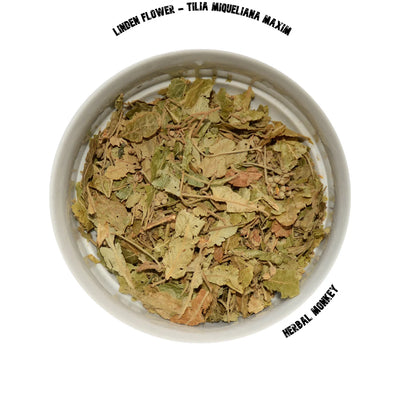
Linden flower, also known as Tilia, is a type of flowering tree that belongs to the Tiliaceae family. It is native to Europe and North America and has a rich history dating back centuries. The use of linden flower can be traced back to ancient civilizations such as the Egyptians, Greeks, and Romans, who valued it for its medicinal properties and soothing effects.
According to historical records, linden flower was often used as a symbol of love and friendship. It was believed to promote relaxation and calmness, making it a popular choice for herbal teas and infusions. Over the years, linden flower has been used for various purposes, including treating anxiety, promoting sleep, and supporting respiratory health.
Linden flower is rich in various nutrients that contribute to its health benefits. It contains antioxidants, such as flavonoids, which help protect the body against oxidative stress and inflammation. Additionally, linden flower is a good source of vitamins and minerals, including vitamin C, calcium, and magnesium.
The flowers of the linden tree can be dried and used to make tea or infused into oils and extracts. This allows for the extraction of the beneficial compounds found in linden flower, making it a convenient way to incorporate its nutritional value into your diet.
Linden flower offers a range of health benefits that can support overall well-being. Some of the key benefits include:
- Promotes relaxation and reduces anxiety: Linden flower has calming properties and can help reduce stress and anxiety. It is often used in herbal remedies to promote relaxation and improve sleep quality.
- Supports respiratory health: Linden flower has been traditionally used to alleviate respiratory symptoms, such as coughs, colds, and sore throats. It can help soothe irritation and reduce inflammation in the respiratory system.
- Boosts the immune system: The antioxidants present in linden flower can help strengthen the immune system and protect against various diseases and infections.
- Supports digestion: Linden flower has a mild diuretic effect and can help promote healthy digestion. It may aid in relieving symptoms of indigestion, bloating, and constipation.
- Provides relief for headaches and migraines: The calming properties of linden flower can help alleviate headaches and migraines, providing relief from pain and discomfort.
It is important to note that while linden flower has many potential health benefits, individual results may vary. It is always advisable to consult with a healthcare professional before incorporating any new herbs or supplements into your routine.
There are several ways to incorporate linden flower into your diet and enjoy its health benefits. Here are a few ideas:
- Linden flower tea: Steep dried linden flowers in hot water to make a soothing and aromatic tea. You can enjoy it plain or add a touch of honey or lemon for extra flavor.
- Linden flower-infused oil: Infuse linden flowers into oil, such as olive oil or coconut oil, to create a fragrant oil that can be used in cooking or as a topical treatment for skin conditions.
- Linden flower syrup: Make a sweet syrup by boiling linden flowers with sugar and water. This syrup can be drizzled over desserts or added to beverages for a floral twist.
- Linden flower tincture: Create a tincture by soaking linden flowers in alcohol or vinegar. This concentrated extract can be used in small doses for medicinal purposes.
Remember to source linden flowers from reputable suppliers and follow proper preparation methods to ensure safety and quality.
While linden flower is generally considered safe for most people, there are a few precautions to keep in mind:
- Allergies: Some individuals may be allergic to linden flower. If you have a known allergy to flowers or plants in the Tiliaceae family, it is best to avoid linden flower.
- Pregnancy and breastfeeding: It is recommended that pregnant or breastfeeding women avoid linden flower, as there is limited research on its safety during these periods.
- Medication interactions: Linden flower may interact with certain medications, including sedatives and blood pressure medications. If you are taking any medications, it is important to consult with your healthcare provider before using linden flower.
- Dosage and moderation: Like any herbal supplement, it is important to use linden flower in moderation and follow recommended dosage guidelines. Excessive consumption may lead to adverse effects.
If you experience any adverse reactions or have concerns about using linden flower, it is best to seek advice from a healthcare professional.
Explore the ancient uses of Damiana herb in traditional medicine and discover its various benefits.
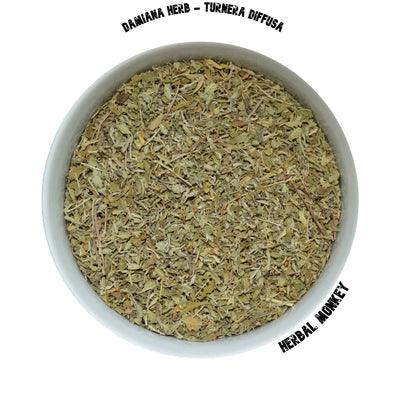
Damiana herb has a long history of use in traditional medicine. It has been used by indigenous cultures in Central and South America for centuries, with records dating back to the ancient Mayan civilization. The herb was highly regarded for its medicinal properties and was commonly used to treat various ailments.
In traditional medicine, Damiana herb was often used as an aphrodisiac to enhance sexual function and libido. It was believed to have stimulating effects on the reproductive system and was used to improve fertility and sexual performance.
Furthermore, Damiana herb was used as a general tonic for the nervous system. It was believed to have a calming and relaxing effect, helping to reduce anxiety and promote a sense of well-being. The herb was also used to improve digestion, relieve constipation, and support overall digestive health.
Overall, the history of Damiana herb in traditional medicine is rich and fascinating. Its use spans centuries and multiple cultures, highlighting its importance in ancient healing practices.
Damiana herb is known for its many medicinal properties. It contains various active compounds, including flavonoids, terpenes, and phenolic acids, which contribute to its therapeutic effects.
One of the key medicinal properties of Damiana herb is its aphrodisiac effect. It is believed to enhance sexual function and libido by increasing blood flow to the reproductive organs and stimulating the release of hormones.
Additionally, Damiana herb has been found to have anti-anxiety and mood-enhancing properties. It is believed to calm the nervous system and promote relaxation, helping to reduce anxiety and stress.
Furthermore, Damiana herb has been traditionally used as a digestive tonic. It is believed to stimulate digestion, improve nutrient absorption, and relieve digestive discomfort.
These are just a few examples of the medicinal properties of Damiana herb. Its wide range of therapeutic effects make it a valuable herb in traditional medicine.
Damiana herb has been used for various purposes in traditional medicine. Some of the common uses include:
- Enhancing sexual function and libido
- Reducing anxiety and promoting relaxation
- Improving digestion and relieving digestive discomfort
- Boosting energy and reducing fatigue
- Supporting overall well-being and vitality
These are just a few examples of the many ways Damiana herb has been used in traditional medicine. Its versatility and wide range of benefits make it a popular choice among herbal practitioners.
While Damiana herb is generally considered safe for most people, there are some potential side effects and precautions to be aware of.
Firstly, Damiana herb may have a stimulating effect on the uterus and should be avoided during pregnancy as it may cause contractions.
Additionally, some people may be allergic to Damiana herb and may experience allergic reactions such as skin rashes or difficulty breathing.
Furthermore, Damiana herb may interact with certain medications, including antidiabetic drugs, anticoagulants, and sedatives. It is important to consult with a healthcare professional before using Damiana herb, especially if you are taking any medications.
It is also worth noting that Damiana herb may have a mild laxative effect and may cause increased bowel movements in some individuals.
Overall, while Damiana herb is generally safe, it is important to use it with caution and seek professional advice if you have any concerns or underlying health conditions.
In recent years, Damiana herb has gained popularity in modern wellness practices. It is often used as a natural remedy for various health conditions and as a supplement for overall well-being.
One common way to incorporate Damiana herb into modern wellness practices is by making herbal teas or infusions. Damiana leaves can be steeped in hot water to create a refreshing and aromatic tea that can be enjoyed throughout the day.
Another popular method is to use Damiana herb in herbal smoking blends. The dried leaves can be mixed with other herbs and smoked for their relaxing and mood-enhancing effects.
Furthermore, Damiana herb can be found in various forms such as capsules, tinctures, and extracts, making it easy to incorporate into daily routines.
It is important to note that while Damiana herb is considered safe, it is always recommended to consult with a healthcare professional before starting any new herbal regimen.
In conclusion, Damiana herb has a long history of use in traditional medicine and continues to be valued for its various benefits. Whether used for its aphrodisiac effects, calming properties, or digestive support, Damiana herb remains a valuable herb in both traditional and modern wellness practices.
Explore the differences between Ashwagandha and Black Cohosh in treating anxiety to determine which one may be more effective for you.
Ashwagandha and Black Cohosh are both natural herbal remedies that have been used for centuries in traditional medicine. While they may have some similarities, they also have distinct differences in terms of their origins, properties, and effects on anxiety.
Ashwagandha, also known as Withania somnifera, is a small shrub native to India and North Africa. It is commonly used in Ayurvedic medicine for its adaptogenic properties, which help the body adapt to stress and promote overall well-being. On the other hand, Black Cohosh, scientifically known as Actaea racemosa, is a plant native to North America and is often used to alleviate menopause symptoms.
When it comes to treating anxiety, Ashwagandha and Black Cohosh work in different ways. Ashwagandha is believed to reduce anxiety by modulating the body's stress response system and regulating the levels of stress hormones like cortisol. It is also known to have calming effects and promote relaxation. Black Cohosh, on the other hand, may help alleviate anxiety symptoms indirectly by reducing other menopause-related symptoms like hot flashes and mood swings.
Ashwagandha has gained popularity in recent years for its potential benefits in managing anxiety. Some of the key benefits and uses of Ashwagandha for anxiety include:
- Reducing stress and promoting relaxation: Ashwagandha has adaptogenic properties that help the body cope with stress and promote a sense of calm.
- Improving mood: Research suggests that Ashwagandha may have mood-enhancing effects and can help alleviate symptoms of anxiety and depression.
- Enhancing sleep quality: Ashwagandha has been found to improve sleep patterns and promote better sleep quality, which can indirectly reduce anxiety symptoms.
- Boosting cognitive function: Studies have shown that Ashwagandha may improve cognitive function, including memory and attention, which can be beneficial for individuals with anxiety.
It is important to note that while Ashwagandha may have potential benefits for anxiety, it is not a substitute for professional medical advice. It is always recommended to consult with a healthcare provider before starting any new herbal supplement.
Black Cohosh has a long history of traditional use in Native American medicine for various health conditions, including anxiety. Some of the benefits and uses of Black Cohosh for anxiety include:
- Alleviating menopause-related anxiety: Black Cohosh is often used to reduce anxiety symptoms associated with menopause, such as hot flashes, mood swings, and irritability.
- Supporting hormonal balance: Black Cohosh is believed to have estrogen-like effects and may help regulate hormonal imbalances that contribute to anxiety.
- Promoting relaxation and sleep: Black Cohosh has mild sedative properties that can help induce relaxation and improve sleep quality, which can be beneficial for individuals with anxiety.
While Black Cohosh may offer potential benefits for anxiety, it is important to consult with a healthcare provider, especially for individuals with pre-existing medical conditions or those taking other medications.
Ashwagandha is generally considered safe for most people when taken in appropriate doses. However, it may cause some side effects in certain individuals. Some of the potential side effects and risks of Ashwagandha include:
- Upset stomach or digestive issues
- Headache or dizziness
- Allergic reactions in rare cases
It is important to follow the recommended dosage guidelines and consult with a healthcare provider if you experience any adverse effects while taking Ashwagandha.
Black Cohosh is generally well-tolerated by most individuals when used in recommended doses. However, it may cause some side effects and risks in certain cases. Some of the potential side effects and risks of Black Cohosh include:
- Upset stomach or gastrointestinal issues
- Headache or dizziness
- Liver toxicity in rare cases
It is important to note that individuals with liver conditions or a history of liver problems should exercise caution when using Black Cohosh. It is always advisable to consult with a healthcare provider before starting any new herbal supplement.