News

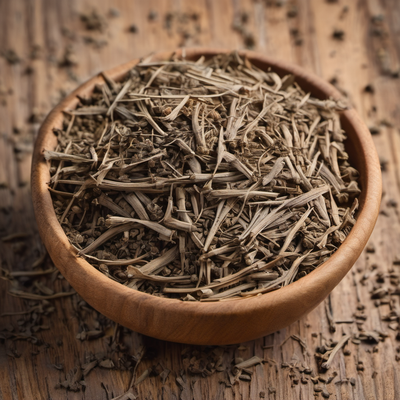
Dried Valerian Root
Simon C

Valerian Root Tea Recipes - The Relaxing Root

Discover the soothing benefits of Valerian Root tea with these delicious and easy-to-make recipes that promote relaxation and calmness.

The Magic of Valerian Root

Valerian Root is a herb that has been used for centuries to promote relaxation and improve sleep. It is native to Europe and Asia, and its roots have a strong, earthy aroma. Valerian Root contains compounds that have sedative and anxiolytic properties, which can help reduce anxiety and promote a sense of calmness. It is often used as a natural alternative to prescription sleep aids. Valerian Root can be brewed into a tea or taken in capsule form.

Valerian Root is believed to work by increasing the levels of a neurotransmitter called gamma-aminobutyric acid (GABA) in the brain. GABA helps regulate nerve cells and has a calming effect on the central nervous system. This is why Valerian Root is often used to treat insomnia and other sleep disorders. It can also help alleviate symptoms of anxiety and stress, making it a popular choice for those seeking natural remedies for relaxation.

In addition to its calming effects, Valerian Root has been studied for its potential benefits in managing certain health conditions. It may help reduce menstrual cramps, improve symptoms of menopause, and relieve tension headaches. Some studies have also suggested that Valerian Root may have anti-inflammatory and antioxidant properties, although more research is needed to confirm these effects.

Overall, Valerian Root is a versatile herb that can promote relaxation and improve sleep. Whether brewed into a comforting cup of tea or taken as a supplement, it offers a natural way to unwind and find calmness in a busy world.

Benefits of Valerian Root Tea

Valerian Root tea offers numerous benefits for both the mind and body. Here are some of the key advantages:

- Promotes better sleep: Valerian Root is well-known for its sedative properties and can help improve the quality of sleep. Drinking Valerian Root tea before bedtime can help relax the mind and body, making it easier to fall asleep and stay asleep throughout the night.

- Reduces anxiety and stress: Valerian Root contains compounds that have anxiolytic effects, which can help reduce feelings of anxiety and stress. Drinking Valerian Root tea can promote a sense of calmness and relaxation, helping you unwind after a long day.

- Relieves muscle tension: Valerian Root has muscle relaxant properties that can help relieve muscle tension and stiffness. Drinking Valerian Root tea can provide gentle relief for sore muscles, making it a great option for those who experience muscle discomfort or tension headaches.

- Supports menstrual health: Valerian Root has been traditionally used to alleviate symptoms of menstrual cramps and discomfort. Drinking Valerian Root tea during your menstrual cycle can help reduce pain and promote a more comfortable experience.

- Boosts mood: Valerian Root tea can have a positive impact on mood and emotional well-being. Its calming effects can help reduce irritability and promote a more positive outlook.

Overall, Valerian Root tea is a natural and effective way to promote relaxation, improve sleep, and support overall well-being.

Popular Valerian Root Tea Recipes

There are many delicious and easy-to-make Valerian Root tea recipes that you can try. Here are a few popular ones:

1. Classic Valerian Root Tea:

- Ingredients: 1 teaspoon of dried Valerian Root, 1 cup of hot water

- Instructions: Steep the dried Valerian Root in hot water for 10-15 minutes. Strain and enjoy!

2. Valerian Chamomile Tea:

- Ingredients: 1 teaspoon of dried Valerian Root, 1 teaspoon of dried Chamomile flowers, 1 cup of hot water

- Instructions: Mix the dried Valerian Root and Chamomile flowers in a tea infuser or teapot. Pour hot water over the mixture and let it steep for 10-15 minutes. Remove the infuser or strain the tea before drinking.

3. Valerian Lavender Tea:

- Ingredients: 1 teaspoon of dried Valerian Root, 1 teaspoon of dried Lavender flowers, 1 cup of hot water

- Instructions: Combine the dried Valerian Root and Lavender flowers in a tea infuser or teapot. Pour hot water over the mixture and steep for 10-15 minutes. Strain the tea and enjoy the calming aroma.

Feel free to experiment with different combinations of herbs and flavours to find your perfect Valerian Root tea recipe. Remember to adjust the steeping time and amount of herbs to suit your taste preferences.

4. Valerian Root Chai Tea:

- Ingredients: 1 teaspoon of dried Valerian Root, 1 teaspoon of black tea leaves, 1/2 teaspoon of cinnamon, 1/4 teaspoon of ginger, 1/4 teaspoon of cardamom, 1 cup of hot water, 1/2 cup of milk (dairy or plant-based), honey or sweetener of choice (optional)

- Instructions: In a small saucepan, combine the Valerian Root, black tea leaves, cinnamon, ginger, and cardamom. Add hot water and bring to a simmer. Allow the mixture to simmer for 5-10 minutes. Remove from heat and stir in the milk. Let the tea steep for an additional 5 minutes. Strain the tea into a cup and sweeten with honey or your preferred sweetener, if desired.

These are just a few examples of the many ways you can enjoy Valerian Root tea. Get creative and have fun experimenting with different ingredients to find your favourite recipe!

Creative Ways to Enjoy Valerian Root Tea

While Valerian Root tea can be enjoyed on its own, there are also creative ways to incorporate it into other recipes and beverages. Here are some ideas to inspire you:

- Valerian Root Latte: Brew a strong cup of Valerian Root tea and mix it with steamed milk for a comforting and aromatic latte. Add a sprinkle of cinnamon or nutmeg on top for extra flavour.

- Valerian Root Smoothie: Blend Valerian Root tea with your favourite fruits, yogurt, and a handful of spinach for a nutritious and relaxing smoothie. Add a drizzle of honey or maple syrup for sweetness.

- Valerian Root Ice Cream: Infuse Valerian Root tea into your homemade ice cream base for a unique and soothing treat. Top with crushed cookies or chocolate chips for added texture.

- Valerian Root Mocktail: Mix Valerian Root tea with sparkling water, a splash of fruit juice, and a squeeze of lemon for a refreshing and alcohol-free beverage. Garnish with fresh mint leaves or a slice of citrus.

These are just a few examples of how you can get creative with Valerian Root tea. Feel free to experiment and come up with your own unique recipes!

Tips for Brewing the Perfect Cup of Valerian Root Tea

To fully enjoy the benefits of Valerian Root tea, it's important to brew it properly. Here are some tips to help you brew the perfect cup:

- Use high-quality Valerian Root: Look for organic Valerian Root that is free from pesticides and other contaminants. This will ensure that you're getting the best quality and maximum benefits from the tea.

- Measure the right amount: Use 1 teaspoon of dried Valerian Root per cup of water. Adjust the amount according to your taste preferences, but avoid using too much as it can make the tea bitter.

- Steep for the right time: Let the Valerian Root steep in hot water for 10-15 minutes to extract its beneficial compounds. Avoid steeping for longer than 15 minutes as it can make the taste too strong.

- Strain before drinking: After steeping, strain the tea to remove any herb particles or debris. This will ensure a smooth and enjoyable cup of Valerian Root tea.

- Add natural sweeteners if desired: Valerian Root tea has a naturally earthy taste, but you can add a touch of honey, maple syrup, or stevia to sweeten it if desired. Avoid using artificial sweeteners.

- Experiment with flavours: You can enhance the flavour of Valerian Root tea by adding a slice of lemon, a sprinkle of cinnamon, or a few fresh mint leaves. Get creative and find your favourite combination.

With these tips in mind, you'll be able to brew a perfect cup of Valerian Root tea every time. Sit back, relax, and enjoy the soothing benefits!

If you would like to buy Dried Valerian Root in the UK, please click here: Herbal Monkey UK

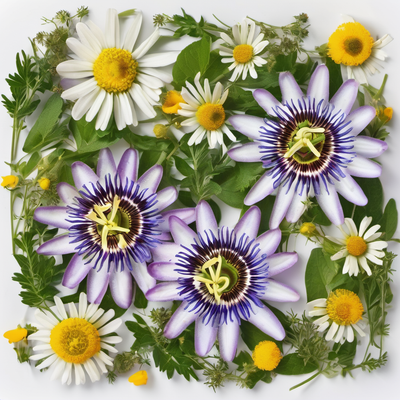
Passion Flower Herb & Chamomile Flowers
Simon C

Passion Flower Herb vs. Chamomile: A Comparative Guide

Discover the differences between passion flower herb and chamomile flower and how they can benefit your health and wellness.

History and Origin

Passion flower herb, also known as Passiflora incarnata, is a perennial climbing vine native to the south-eastern United States. It has a long history of use in traditional medicine, dating back to Native American tribes who used it to treat various ailments. Chamomile Flower, on the other hand, is a daisy-like plant that belongs to the Asteraceae family. It is native to Europe and Western Asia and has been used for centuries in traditional medicine and herbal teas.

The history and origin of both passion flower and chamomile flowers are rich and diverse, with each plant having its own unique cultural significance and traditional uses.

Health Benefits

Passion flower herb is known for its calming properties and is often used to promote relaxation and reduce anxiety. It may also help improve sleep quality and relieve insomnia. Chamomile flower, on the other hand, is well-known for its soothing effects on the digestive system and is often used to relieve indigestion, bloating, and stomach cramps. It also has anti-inflammatory properties and may help reduce inflammation and promote skin health.

Both passion flower herb and chamomile flower offer a range of health benefits, making them popular choices in herbal medicine and natural remedies.

Uses in Herbal Medicine

Passion flower herb is commonly used in herbal medicine to treat anxiety, insomnia, and nervous disorders. It is often prepared as a tea or tincture and can be found in various forms, including capsules and extracts. Chamomile flower is also widely used in herbal medicine and is known for its calming and anti-inflammatory properties. It is often prepared as a tea or used topically in creams and ointments to soothe skin irritation and promote wound healing.

Both passion flower herb and chamomile flower have been used for centuries in herbal medicine and continue to be popular remedies for various health conditions.

Preparation and Consumption

Passion flower herb can be prepared as a tea by steeping the dried herb and in hot water for several minutes. It can also be consumed in the form of capsules, extracts, or tinctures. Chamomile flower tea is made by steeping dried chamomile flowers in hot water for a few minutes. It can also be consumed as an herbal supplement in the form of capsules or liquid extracts. Both passion flower and chamomile are generally considered safe for consumption when used in recommended doses.

When preparing passion flower herb or chamomile flower tea, it is important to follow the recommended dosage and brewing instructions to ensure optimal benefits and safety.

Potential Side Effects

Passion flower herb is generally safe for most people when used in recommended doses. However, it may cause drowsiness, dizziness, and confusion in some individuals. It is not recommended for use during pregnancy or breastfeeding. Chamomile flower is also considered safe for most people, but it may cause allergic reactions in individuals who are sensitive to plants in the Asteraceae family. It may also interact with certain medications, so it is important to consult with a healthcare professional before using chamomile as a herbal remedy.

As with any herbal remedy, it is important to be aware of potential side effects and drug interactions. It is recommended to consult with a healthcare professional before using passion flower or chamomile, especially if you have any underlying health conditions or are taking medications.

You can purchase both Passion flower herb & Chamomile flowers at Herbal Monkey UK

Dried Ginger Slices
Simon C

Discover the Health Benefits of Dried Ginger Slices

Uncover the amazing health benefits of incorporating dried ginger slices into your daily routine.

What are Dried Ginger Slices?

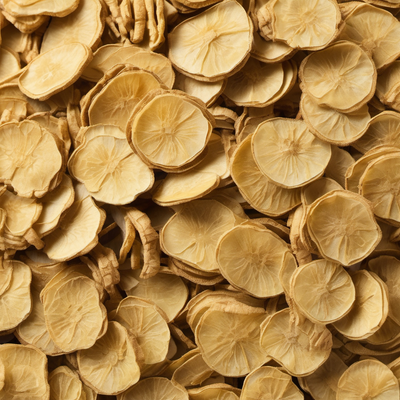
Dried ginger slices are thin pieces of ginger root that have been dehydrated to remove the moisture content. This process preserves the ginger and allows it to be stored for longer periods of time. Dried ginger slices have a concentrated flavour and can be used in various culinary and medicinal applications.

Nutritional Value of Dried Ginger Slices

Dried ginger slices are packed with essential nutrients that contribute to their health benefits. They are a good source of vitamins and minerals, including vitamin C, vitamin B6, potassium, and magnesium. Additionally, dried ginger slices contain antioxidants that help protect the body against oxidative stress and inflammation.

Health Benefits of Dried Ginger Slices

Incorporating dried ginger slices into your diet can offer a range of health benefits. Here are some of the key benefits:

- Digestive Health: Dried ginger slices have long been used to aid digestion. They can help relieve symptoms of indigestion, such as bloating, gas, and stomach discomfort. Ginger is known to stimulate the production of digestive enzymes and improve overall digestion.

- Anti-Inflammatory Properties: The active compounds in dried ginger slices, such as gingerol, possess powerful anti-inflammatory properties. Consuming ginger can help reduce inflammation in the body, which is beneficial for those with conditions like arthritis or inflammatory bowel disease.

- Immune System Support: Dried ginger slices contain immune-boosting properties that can help strengthen your immune system. The high levels of antioxidants in ginger help protect against infections and support the body's natural defence mechanisms.

- Nausea Relief: Ginger has long been used as a natural remedy for nausea and vomiting. Dried ginger slices can be particularly helpful for relieving symptoms of motion sickness, morning sickness during pregnancy, and chemotherapy-induced nausea.

- Pain Reduction: The anti-inflammatory properties of dried ginger slices can also help alleviate pain. Ginger has been shown to be effective in reducing muscle soreness, menstrual cramps, and migraines.

- Blood Sugar Control: Some studies have suggested that ginger may help regulate blood sugar levels. Incorporating dried ginger slices into your diet may be beneficial for individuals with diabetes or those at risk of developing the condition.

These are just a few of the many health benefits that dried ginger slices can provide. Adding them to your daily routine can be a simple yet effective way to improve your overall well-being.

Ways to Incorporate Dried Ginger Slices into Your Diet

There are numerous ways to incorporate dried ginger slices into your diet. Here are some ideas to get you started:

- Add them to teas: Steep a few dried ginger slices in hot water to make a flavourful and soothing ginger tea.

- Use them in cooking: Dried ginger slices can be added to stir-fries, soups, curries, and marinades to add a warm and spicy flavour.

- Sprinkle them on salads: Crush dried ginger slices into small pieces and sprinkle them on top of your favourite salads for an added zing.

- Blend them into smoothies: Add a few dried ginger slices to your favourite smoothie recipe to give it a spicy kick and enhance the flavour.

- Snack on them: Enjoy dried ginger slices as a healthy and flavourful snack on their own or mixed with nuts and dried fruits.

These are just a few suggestions, but feel free to get creative and find your own favourite ways to incorporate dried ginger slices into your diet.

Precautions and Considerations When Using Dried Ginger Slices

While dried ginger slices offer many health benefits, it's important to keep a few precautions in mind:

- Allergies: Some individuals may be allergic to ginger. If you experience any allergic reactions after consuming dried ginger slices, such as itching, swelling, or difficulty breathing, discontinue use and seek medical attention.

- Medication Interactions: Ginger may interact with certain medications, including blood thinners and diabetes medications. If you're taking any medications, it's best to consult with your healthcare provider before incorporating dried ginger slices into your diet.

- Pregnancy and breastfeeding: While ginger is generally considered safe during pregnancy and breastfeeding, it's always a good idea to consult with your healthcare provider before consuming dried ginger slices in large amounts.

- Digestive Issues: While dried ginger slices can help relieve digestive issues for most people, they may not be suitable for individuals with certain conditions like acid reflux or gastric ulcers. If you have any pre-existing digestive issues, it's best to consult with your healthcare provider before consuming dried ginger slices.

By keeping these precautions in mind and using dried ginger slices in moderation, you can safely enjoy their health benefits.

You can purchase dried ginger slices at Herbal Monkey UK

Wild Dagga Petals

Exploring the Effects of Wild Dagga Petals

Discover the fascinating effects of wild dagga petals and how they can enhance your well-being.

Wild dagga, also known as Leonotis leonorus, is a flowering plant native to Southern Africa. It belongs to the mint family and has been used for centuries in traditional African medicine. The plant is characterized by its vibrant orange or red flowers and aromatic leaves.

Wild dagga has a long history of use among indigenous tribes for its medicinal properties. It is known for its calming and relaxing effects, as well as its ability to enhance mood and creativity. The plant contains various compounds, including leonurine, which is believed to be responsible for its therapeutic effects.

The Therapeutic Benefits of Wild Dagga Petals

Wild dagga petals have several therapeutic benefits that contribute to overall well-being. One of the main benefits is their calming and relaxing effect on the body and mind. The petals contain compounds that have a sedative effect, helping to reduce anxiety and promote a sense of calm.

Additionally, wild dagga petals have been used to alleviate pain and inflammation. The plant contains analgesic properties that can help relieve headaches, muscle aches, and other types of pain. It is often used as a natural alternative to over-the-counter pain medications.

Furthermore, wild dagga petals have been found to have antioxidant properties. Antioxidants help protect the body against oxidative stress and free radicals, which can contribute to the development of chronic diseases. Including wild dagga petals in your wellness routine may help support overall health and well-being.

Exploring the Relaxing Effects of Wild Dagga

One of the most notable effects of wild dagga is its relaxing properties. The plant has a calming effect on the central nervous system, helping to reduce stress and promote relaxation. Many people use wild dagga as a natural remedy for anxiety and insomnia.

The relaxing effects of wild dagga can also extend to the muscles. It is often used to relieve muscle tension and promote muscle relaxation. This makes it a popular choice for those who experience muscle soreness or spasms.

In addition to its physical relaxation benefits, wild dagga can also have a positive impact on mental well-being. It is known to enhance mood and promote a sense of happiness and contentment. Some users report feeling a sense of euphoria after consuming wild dagga petals.

Enhancing Mood and Creativity with Wild Dagga

Wild dagga has been traditionally used to enhance mood and stimulate creativity. The plant contains compounds that interact with the brain's receptors, resulting in a boost in mood and creativity.

Many users of wild dagga report experiencing an uplifted mood and increased feelings of happiness and well-being. It can help reduce feelings of depression and anxiety, allowing individuals to feel more positive and motivated.

In terms of creativity, wild dagga has been known to enhance artistic expression and imagination. It can help individuals tap into their creative flow and think outside the box. Whether you're an artist, writer, or simply looking to enhance your creative thinking, wild dagga may provide the inspiration you need.

Potential Side Effects and Precautions

While wild dagga is generally considered safe when used responsibly, it is important to be aware of potential side effects and take necessary precautions.

Some individuals may experience mild side effects such as dizziness, nausea, or headaches when consuming wild dagga. It is recommended to start with a low dose and gradually increase if needed.

It is also important to note that wild dagga may interact with certain medications or medical conditions. If you have any existing health conditions or are taking medications, it is advisable to consult with a healthcare professional before incorporating wild dagga into your routine.

If you want to purchase the best wild dagga petals in the UK, please visit Herbal Monkey

Furthermore, pregnant or breastfeeding women should avoid the use of wild dagga, as its effects on pregnancy and lactation have not been extensively studied.

In conclusion, wild dagga petals offer a range of potential benefits for overall well-being. However, it is important to use them responsibly and consider any potential risks or interactions. Consulting with a healthcare professional is always recommended to ensure safe and appropriate use.

Blue Lotus Flower Tea

Discover the Health Benefits of Blue Lotus Flower Tea

Uncover the amazing health benefits of incorporating blue lotus flower tea into your daily routine.

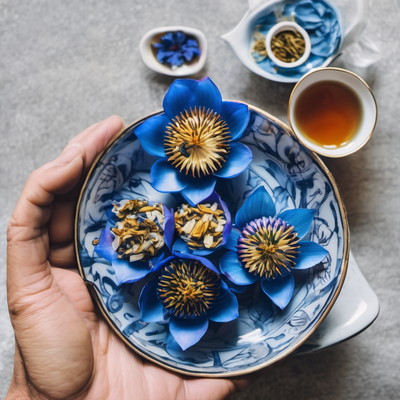
Blue lotus flower tea has a rich history and fascinating origins. It has been used for centuries in various cultures for its medicinal properties and spiritual significance. The blue lotus flower, scientifically known as Nymphaea Caerulea, is native to Egypt and other parts of North Africa. It was highly regarded by the ancient Egyptians, who believed it had the power to enhance spirituality and promote a sense of tranquillity and calmness. The flower was often depicted in ancient Egyptian art and used in religious ceremonies and rituals.

The use of blue lotus flower tea spread beyond Egypt and became popular in other ancient civilizations, including the Mayans and the Greeks. It was valued for its ability to induce relaxation, relieve stress, and promote a restful sleep. Blue lotus flower tea was also believed to have aphrodisiac effects and was used to enhance sexual experiences. Today, blue lotus flower tea is enjoyed by people all around the world for its unique flavour and numerous health benefits.

Nutritional Value and Active Compounds

Blue lotus flower tea is not only delicious but also packed with essential nutrients and active compounds. It contains a variety of vitamins, minerals, and antioxidants that contribute to its health-promoting properties. Some of the key nutrients found in blue lotus flower tea include vitamin C, vitamin B6, iron, magnesium, and calcium.

In addition to its nutritional value, blue lotus flower tea contains several active compounds that have been linked to various health benefits. These include aporphine alkaloids, flavonoids, and nuciferine. Aporphine alkaloids have been shown to have sedative and muscle relaxant effects, which can help reduce anxiety and promote relaxation. Flavonoids are powerful antioxidants that can protect the body against oxidative stress and inflammation. Nuciferine, a unique compound found in blue lotus flower tea, has been studied for its potential anti-obesity and anti-diabetic properties.

Health Benefits of Blue Lotus Flower Tea

Drinking blue lotus flower tea can offer a wide range of health benefits. Here are some of the key advantages:

- Promotes relaxation and reduces anxiety: The sedative effects of blue lotus flower tea can help calm the mind and reduce feelings of stress and anxiety. It can be especially beneficial for those struggling with insomnia or sleep disorders.

- Enhances mood and promotes a sense of well-being: Blue lotus flower tea has been used traditionally for its mood-enhancing properties. It can help uplift the spirits and promote a positive outlook.

- Supports digestive health: Blue lotus flower tea has mild diuretic properties and can aid in digestion. It may help relieve bloating, indigestion, and constipation.

- Boosts immune function: The antioxidants present in blue lotus flower tea can strengthen the immune system and protect the body against infections and diseases.

- Alleviates menstrual discomfort: Blue lotus flower tea has been used traditionally to relieve menstrual cramps and other symptoms associated with menstruation.

These are just a few of the many health benefits that blue lotus flower tea has to offer. Regular consumption of this herbal tea can contribute to overall well-being and improve your quality of life.

How to Prepare and Enjoy Blue Lotus Flower Tea

Preparing blue lotus flower tea is a simple and enjoyable process. Here's a step-by-step guide to help you make the perfect cup of blue lotus flower tea:

1. Start by boiling water in a kettle or saucepan.

2. Once the water has reached a rolling boil, remove it from the heat source.

3. Add blue lotus flower petals or tea bags to a teapot or cup.

4. Pour the hot water over the petals or tea bags.

5. Let the tea steep for about 5-10 minutes to allow the flavours to infuse.

6. Strain the tea to remove the petals or tea bags.

7. Serve the blue lotus flower tea hot and enjoy its delightful taste and aroma.

Feel free to add honey or lemon to enhance the flavour, if desired. You can also experiment with different brewing times to find your preferred strength of tea. Sit back, relax, and savour the soothing effects of blue lotus flower tea.

Where to Purchase Blue Lotus Flower Tea

If you're interested in incorporating blue lotus flower tea into your daily routine, you can find it at various health food stores, specialty tea shops, and online retailers. Make sure to choose a reputable source to ensure the quality and authenticity of the tea.

When purchasing blue lotus flower tea, opt for organic and sustainably sourced options whenever possible. This ensures that the tea is free from harmful pesticides and grown in an environmentally friendly manner.

Before making a purchase, read reviews and check the product's ingredients and certifications. Look for teas made from high-quality blue lotus flowers and avoid those with added artificial flavours or preservatives.

By choosing a reliable source, you can enjoy the numerous health benefits of blue lotus flower tea while supporting sustainable farming practices.

If you would like to purchase blue lotus flowers you can get them here: Herbal Monkey UK


white sage sticks
Simon C

Sacred Smudging Rituals with Californian White Sage

Discover the ancient practice of smudging with Californian White Sage and unlock its powerful cleansing and healing properties.

The History and Origins of Californian White Sage

Californian White Sage, also known as Salvia apiana, is a sacred plant that has been used for centuries by Native American tribes for its spiritual and medicinal properties.

It is native to the coastal regions of Southern California and Baja California and has long, silvery-green leaves that give off a strong, earthy aroma when burned.

The use of Californian White Sage in smudging rituals can be traced back to the ancient indigenous cultures of the region, who believed that burning sage would cleanse the energy of a space and ward off negative spirits.

Today, Californian White Sage is still widely used in smudging rituals by people of various spiritual traditions to purify their homes, objects, and themselves.

Benefits of Smudging with Californian White Sage

Smudging with Californian White Sage is believed to have numerous benefits for the mind, body, and spirit.

The smoke produced by burning sage is thought to have antimicrobial properties, which can help purify the air and reduce airborne bacteria.

In addition, the aroma of the burning sage is said to have a calming effect on the mind and can promote relaxation and mental clarity.

Some people also believe that smudging with Californian White Sage can help clear negative energy, protect against spiritual harm, and enhance spiritual connection.

Overall, smudging with Californian White Sage is seen as a way to cleanse and purify one's energy and create a sacred space for meditation, prayer, or other spiritual practices.

How to Perform a Sacred Smudging Ritual

Performing a sacred smudging ritual with Californian White Sage is a simple yet powerful practice that can be done in a few steps.

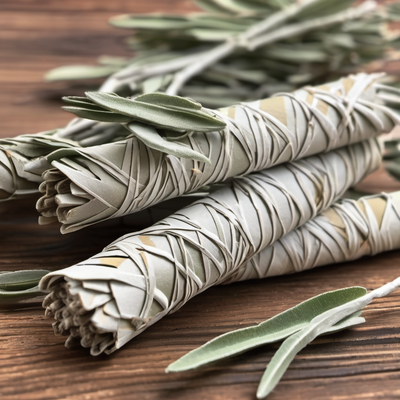
First, gather the necessary supplies, including a bundle of Californian White Sage, a fireproof container, and a lighter or matches.

Find a quiet and well-ventilated space where you can perform the ritual.

Light the sage bundle and let it burn for a few seconds before gently blowing out the flame, allowing the sage to smoulder and release smoke.

Hold the smouldering sage over the fireproof container and use your hand or a feather to waft the smoke around your body, starting from your feet and moving upwards.

As you do this, visualize the smoke purifying your energy and clearing away any negativity or stagnant energy.

You can also smudge the space around you by moving the smouldering sage in a circular motion, paying special attention to corners, doorways, and areas where energy may be stagnant.

Once you have completed smudging yourself and the space, extinguish the sage bundle by pressing it firmly against the fireproof container or gently tapping it against a hard surface.

It is important to practice smudging with respect and intention, always being mindful of the sacredness of the ritual and the energy you are working with.

Different Ways to Use Californian White Sage

While smudging is the most common use of Californian White Sage, there are several other ways to incorporate this sacred plant into your spiritual practice.

You can create a sage spray by infusing water with Californian White Sage leaves, which can be used to cleanse your aura, sacred objects, or living space.

Another option is to use Californian White Sage essential oil in a diffuser to fill your space with its cleansing and purifying aroma.

You can also create a sachet or bundle of dried Californian White Sage leaves to hang in your home or carry with you for protection and purification.

Some people even use Californian White Sage in their bath rituals by adding a few drops of sage essential oil or a small bundle of dried leaves to their bathwater.

Experiment with different ways to use Californian White Sage and find what resonates with you and your spiritual practice.

Tips for Incorporating Smudging into Your Daily Routine

If you want to incorporate smudging with Californian White Sage into your daily routine, here are some tips to get started:

1. Set an intention: Before you begin smudging, set an intention for the ritual. It can be as simple as wanting to cleanse your energy or create a sacred space.

2. Choose the right time: Find a time of day that works best for you to perform the smudging ritual. It could be in the morning to start your day with positive energy or in the evening to release any accumulated stress or negativity.

3. Create a ritual space: Designate a specific area in your home where you can perform the smudging ritual. Clear the space of any clutter and create a peaceful and sacred atmosphere.

4. Practice mindfulness: As you perform the smudging ritual, be fully present and mindful of your actions and intentions. Focus on the sensations, smells, and visuals of the ritual to deepen your connection with the practice.

5. Incorporate other rituals: You can enhance your smudging practice by combining it with other rituals, such as meditation, journaling, or affirmations. Find what rituals resonate with you and incorporate them into your daily routine.

By incorporating smudging with Californian White Sage into your daily routine, you can create a sacred and harmonious environment that supports your overall well-being and spiritual growth.

We sell California White Sage sticks for meditation and cleansing here: Herbal Monkey UK